Mushroom foraging guide

Mushroom foraging guide

Whether you're searching for chanterelles, porcini or other edible mushrooms, knowing how to harvest, clean and store them correctly makes every trip more enjoyable. In this guide you'll learn what to bring, how to pick mushrooms responsibly, how to keep them fresh and why a dedicated mushroom knife makes every foraging trip easier.

Whether you're a beginner or an experienced mushroom forager, these simple tips will help you enjoy the season while protecting both your harvest and the forest.


Mushroom foraging at a glance

✓ Bring a basket and a mushroom knife

✓ Harvest responsibly

✓ Clean mushrooms in the forest

✓ Store mushrooms in paper, never plastic

✓ Preserve by drying, freezing or pickling


What to bring for mushroom foraging

A successful day in the forest starts with the right equipment. While every forager has their own preferences, a few essentials make all the difference:

  • A breathable basket to keep mushrooms fresh.
  • A mushroom knife for clean harvesting and quick cleaning.
  • Comfortable footwear suitable for uneven terrain.
  • Clothing appropriate for changing weather.

Avoid collecting mushrooms in plastic bags, as they trap moisture and can cause mushrooms to deteriorate more quickly.


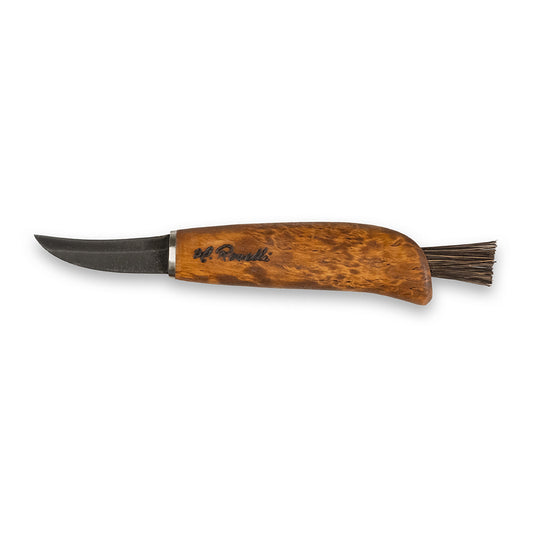
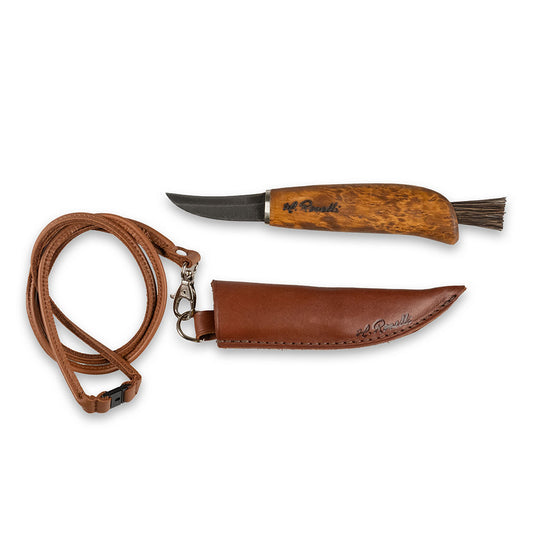
Finnish handmade mushroom knife made from carbon steel and curly birch. Comes with a handmade leather sheath and a mushroom brush made from arenga fiber

Why use a mushroom knife?

A dedicated mushroom knife isn't essential, but once you've used one, it's easy to understand why experienced foragers rarely leave home without it.

Unlike a regular pocket knife, a mushroom knife is designed specifically for harvesting wild mushrooms.

Its short, precise blade allows you to trim the stem cleanly at the base, while the integrated brush makes it easy to remove soil, moss, pine needles and leaves before placing mushrooms in your basket.

To keep the blade performing at its best, regular maintenance with a diamond sharpener makes it easy to restore a razor-sharp edge whenever needed.

Cleaning mushrooms as you pick them offers several advantages:

  • Less dirt ends up in your basket.
  • Cleaning at home becomes much easier.
  • Mushrooms stay in better condition during transport.
  • You spend more time cooking and less time cleaning.

Finnish handmade mushroom knife made from carbon steel and curly birch. Comes with a handmade leather sheath and a mushroom brush made from arenga fiber

How to pick wild mushrooms responsibly

When harvesting mushrooms, aim to disturb the forest as little as possible.

Cut away the dirty end of the stem and gently brush off visible debris before placing the mushroom in your basket. Handle delicate mushrooms carefully to avoid bruising.

Only collect mushrooms you can identify with complete confidence. If you're unsure about a species, leave it where it is or consult a local mushroom expert. Never rely solely on photographs or mobile apps for identification.

Finnish handmade mushroom knife made from carbon steel and curly birch. Comes with a handmade leather sheath and a mushroom brush made from arenga fiber

How to clean wild mushrooms

The best cleaning starts in the forest.

Remove loose dirt, moss and needles using the brush on your mushroom knife. At home, inspect each mushroom individually.

Avoid soaking mushrooms in water whenever possible. Most wild mushrooms absorb moisture easily, which can affect both texture and flavour.

Instead:

  • Brush away remaining dirt.
  • Trim damaged or dirty sections.
  • Wipe with a slightly damp cloth if necessary.
  • Check larger mushrooms for insects before cooking.

A little extra care during cleaning helps preserve the natural flavour of your harvest.

How to store fresh wild mushrooms

Wild mushrooms are best enjoyed as fresh as possible.

If you aren't cooking them immediately:

  • Store them in the refrigerator.
  • Use a paper bag or an open container lined with paper.
  • Keep them dry and well ventilated.
  • Avoid sealed plastic containers.

Most fresh mushrooms are best used within a few days of harvesting.

After cleaning your knife, dry it thoroughly before storing it in its leather sheath. To help keep the leather soft and protected season after season, treat it occasionally with leather wax.

Preserving your harvest

If you've had a successful day in the forest, there are several ways to enjoy your mushrooms long after the season ends.

Drying
Many varieties, such as porcini, dry exceptionally well and develop an even richer flavour.


Freezing

Some mushrooms can be lightly cooked before freezing, making them ready for future meals.


Pickling

Certain species are well suited for pickling, creating a delicious accompaniment to many dishes.

Always follow preservation methods that are appropriate for the specific mushroom species you've collected.

Enjoy mushroom season responsibly

Mushroom foraging is about more than filling a basket, it's an opportunity to slow down, explore nature and appreciate the changing seasons.

Treat the forest with respect, harvest responsibly and only collect what you'll use. By cleaning mushrooms as you pick them and storing them correctly, you'll enjoy fresher ingredients and spend less time preparing them at home.

Whether you're heading out for your first mushroom hunt or returning to a favourite forest year after year, having the right tools makes every trip more enjoyable.

Ready for your next mushroom hunt? Explore our handcrafted Mushroom Knife, designed in Finland with a premium carbon steel blade and integrated mushroom brush to make every trip into the forest easier. With our Lifetime Sharpening Service and Lifetime Warranty, it's a tool you can rely on season after season.

Back to blog